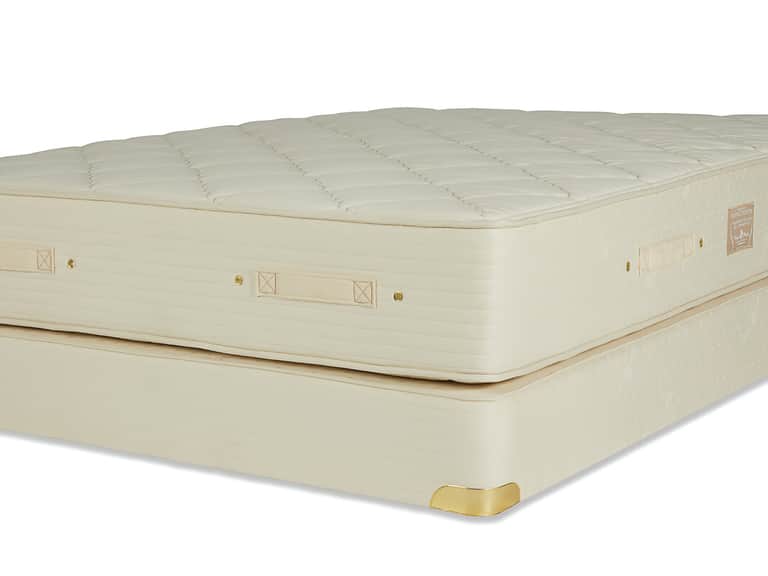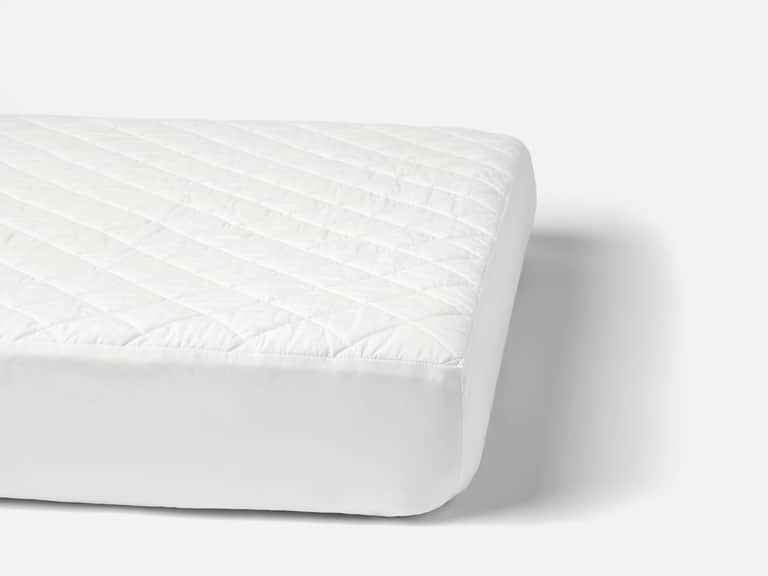
Organic Crib Mattress Pad
Enjoy a clean, breathable base for baby sleep with a 100% organic cotton pad, quilted comfort, and a durable percale cover—GOTS certified, flame-retardant free, and machine washable for easy care.
In an era of information overload, the decision to buy an organic mattress can feel almost ceremonial—an act of trust, a pledge to health, a quiet rebellion against chemical compromise. This guide distills what it means for a mattress to be truly organic: the fabrics that cradle you, the certifications that prove integrity, and the tiny, practical tests you can perform in-store or at home to ensure comfort without compromise.
When we speak of organic in the bedding realm, we’re not merely chasing a label. We are tracing a commitment to materials that minimize chemical exposure, support sustainable farming, and uphold long-standing standards of safety. The topic intersects with sleep science, environmental stewardship, consumer rights, and the sensory memory of a night well slept. For readers of thecleanmattress.org, the aim is clarity without pedantry: to equip homeowners, renters, and caregivers with a reliable framework for evaluating options, recognizing red flags, and prioritizing genuine certification over marketing rhetoric.
The word organic in the context of mattresses usually centers on three pillars: materials, processing, and oversight. Materials such as organic cotton, natural latex, wool, and other natural fibers are chosen not only for their comfort but for their reduced chemical load and their capacity to perform without synthetic additives. The processing of these materials—whether washed, dyed, or finished—should minimize chemical exposure and avoid residual solvents or flame retardants that do not rely on precautionary chemistry.
Organic cotton, for instance, speaks to a cultivation standard that avoids synthetic pesticides, fertilizers, and genetically modified seeds. Natural latex embraces the absence of synthetic blends, favoring Dunlop or Talalay processes that yield buoyant, durable cores free from petrochemical additives. Wool, when sourced responsibly, can lend flame resistance and temperature regulation without chemical treatments. These components, when combined thoughtfully, contribute to a mattress that feels honest to the touch and gentle to the system that sustains us through the night.
But organic is not a solitary property; it is a promise kept through a chain of trust. That is where certifications come in—third-party assurances that a mattress partakes in the organic ecosystem with integrity. The most widely recognized standards aren’t merely a badge; they are a ledger of ingredients, supply chain honesty, and regulatory compliance that protects consumers from greenwashing. When you encounter a claim, you should be asking: What exactly is organic here? Which components are certified, and by whom? How does the product perform in the real world, not just in marketing copy?
In the organic mattress landscape, several core materials repeatedly surface, each with distinct tactile and performance characteristics:
Understanding the material mix helps readers anticipate how a mattress will respond to your body: its contouring, its temperature neutrality, and its long-term durability. A mattress that leans heavily on chemical-laden foams might feel initially comforting but can accumulate off-gassing or heat buildup over time. Conversely, a well-balanced organic composition can deliver steadier support, fewer allergens, and a calmer sleep environment.
Certifications act as a map through a crowded marketplace. They are not a guarantee of perfection, but they are a robust signal that a brand has committed to external verification. In the organic mattress space, the most pertinent standards cover a spectrum from organic content to overall safety and environmental stewardship. Some of the widely respected marks and programs include:
When evaluating a mattress, readers should scrutinize which components are certified, the scope of the certification (content, processing, and supply chain), and the third-party body behind the claim. A blanket “organic” assertion can be tempting, but without a clear breakdown, it risks masking non-organic components or ethically questionable sourcing. The goal is not perfection achieved by a single product line, but continuous improvement across the entire sleep system you bring into your home.
To translate theory into action, here is a concise, practical checklist you can bring to a showroom or apply in your own sleep space. It blends safety, sensory evaluation, and durability—the triad that governs good sleep as a daily ritual.
These steps help transform a potentially complex purchase into a series of tangible choices. The goal is not a flawless product, but a transparent one—a mattress that aligns with your health priorities, sleep preferences, and daily life rhythm.
In the world of organic bedding, several product archetypes recur, each offering a different balance of comfort, certification, and sustainability. Consider how a prospective mattress or topper fits within your household’s needs:
It is worth noting that some brands emphasize “safe finishes” and “low-VOC emissions” rather than a blanket organic claim. While these refinements have merit, the strongest category signal remains the chain of certification and disclosure—from raw material farms to finished product. In a market that rewards storytelling as much as substance, clarity about what is certified and how it is tested becomes the reader’s best defense against pinkwashing and marketing optimization.
If you’re embarking on the organic mattress journey, start with a prioritized set of questions. Build a shortlist around brands that publish full material disclosures and maintain robust third-party certifications. Arrange a hands-on test that lasts at least 15–20 minutes, in a position that mirrors your usual sleep posture. Compare at least two options with comparable certifications, prioritizing the one that best aligns with your tolerance for chemical exposure, your climate, and your preferred feel—supportive and buoyant, or soft and contouring.
Remember that organic is not a single moment of purchase but a long-term investment in a healthier sleep ecosystem. The mattress becomes part of a broader system: organic sheets, natural toppers, breathable pillow fabrics, and a room environment that favors restorative air and humidity balance. The short-term joy of a newly unboxed mattress can evolve into the long-term satisfaction of a sleeping routine that respects body, mind, and planet.
For readers navigating the domain of thecleanmattress.org, this guide aims to be both companion and compass. It speaks to a consumer culture that desires evidence-based guidance without the pressure of hard sells. The path to a truly organic sleep setup is not a single decision but a series of informed, thoughtful steps—each chosen with care for health, comfort, and the common good.
The Organic Crib Mattress Pad represents a focused instance of the organic ethos tailored to one of the most sensitive sleep environments: a baby’s crib. This pad is 100% organic cotton inside and out, with two-inch quilted squares and a 220-count percale cover. It is GOTS certified and flame-retardant-free, reflecting a careful alignment with safety standards for infants. The pad is machine washable and sized to fit standard crib mattresses, offering a stable, hygienic surface for daily use.
Why it matters in the broader discussion: infant sleep safety and hygiene are foundational to sleep health as a public interest. A product like this embodies the practical application of organic materials and third-party verification in one of life's most intimate spheres. It demonstrates how a well-constructed, certifiably organic accessory can influence daily routines—changing not only bedtimes but the level of confidence caregivers feel when tending to a child’s sleep environment.
For reference, this product is listed with a price of 148.00 USD and highlights its fabric integrity, care instructions, and origin in India. While a single product cannot define a category, it offers a concrete example of how organic credentials translate into tangible consumer benefits.
The subject of organics in sleep is not merely about avoiding toxins; it is about creating a sensory space where rest can unfold without the cognitive burden of second-guessing every fiber. In this sense, choosing an organic mattress becomes a quiet act of civic attentiveness—an acknowledgment that the quality of our nightly stillness is inseparable from the materials that cradle us when we close our eyes. The marketplace will always push for novelty; the responsible consumer must push back with questions, comparing claims against certifications, and rewarding those brands that earn trust through transparent, sustained practice.
In the end, the choice of an organic mattress is not a verdict on one product’s superiority but a commitment to a broader ethic of sleep—one that honors the body, respects the environment, and sustains the quiet, restorative night we all deserve.
Published on the domain context of thecleanmattress.org, reflecting a direction oriented toward educational, evidence-based guidance on mattress hygiene, materials, and safety.