Innerspring mattresses are defined by their core system of steel coils that provide structured support and durable resilience. This category explores how coil count, gauge, and construction influence spinal alignment, edge stability, and overall comfort. Understanding these factors helps users evaluate suitability for different sleep positions and body weights, as well as long-term mattress performance.
A core consideration is the balance between support and conforming comfort. Traditional continuous or pocketed coil designs interact with comfort layers to shape pressure relief while maintaining alignment. Materials, including padding and quilted fabrics, contribute to temperature regulation and motion isolation, making innerspring options versatile for shared beds and varied sleep environments.
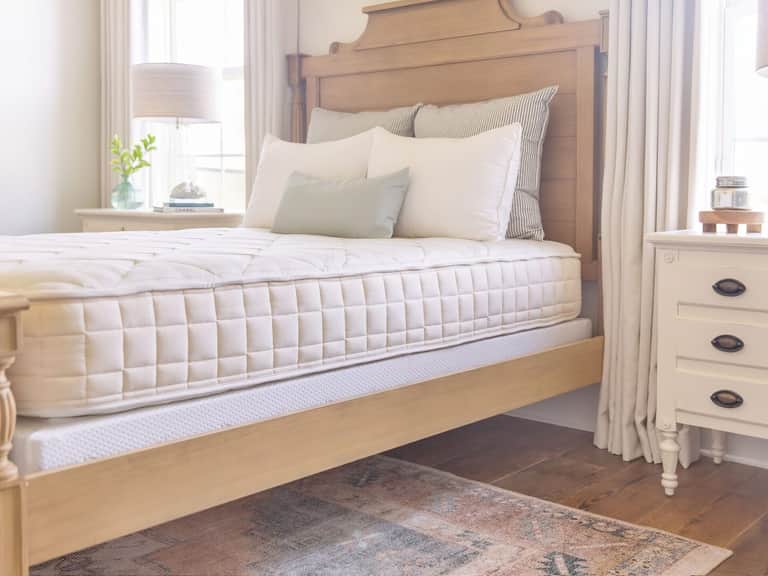
Among notable examples, the Naturepedic Chorus Organic Cotton Mattress stands out for its emphasis on natural materials and thoughtful design. Its organic cotton cover pairs with encased coil systems to offer breathable support, while allergen-friendly components enhance suitability for sensitive sleepers. The mattress demonstrates how eco-conscious layers can complement durable inner-spring performance.
Key features to assess include coil gauge distribution, perimeter edge support, and the presence of foam or latex alternatives in the comfort layer. For nursery settings or family sleep, innerspring architectures that prioritize low chemical exposure and easy cleaning become particularly relevant. Proper selection supports healthy sleep habits and contributes to long-term bed quality.
Beyond core construction, compatibility with bedding accessories such as sheets and pillow arrangements influences overall sleep experience. Innerspring mattresses interact with different mattress pads, toppers, and breathable covers to modulate temperature and feel. This category thus informs comparisons of resilience, lifespan, and practical usability across diverse sleep environments.
 Innerspring Mattresses
