A mattress topper serves as an additional layer placed atop a mattress to adjust comfort, support, and temperature regulation without replacing the core mattress. For the category Mattress Topper, key considerations include materials, thickness, and moisture management, which collectively influence sleep quality and long-term mattress protection.
In this context, toppers made from natural or organic materials prioritize durability and hypoallergenic properties, aligning with bedding quality goals. Common options include memory foam, latex, and cotton or wool blends. Understanding material pros and cons helps determine whether a topper enhances contouring support or breathability for different sleeping positions.
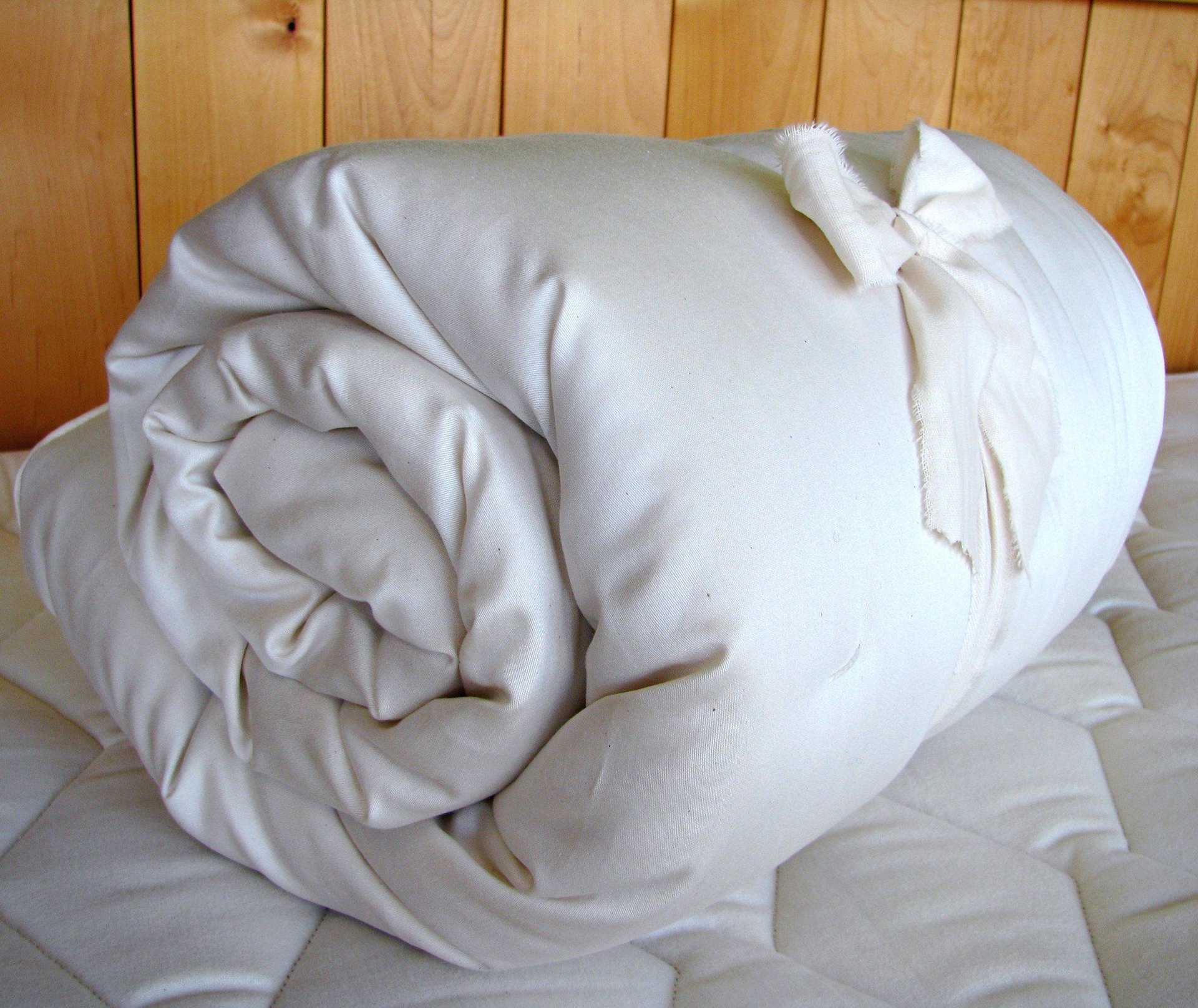
For families evaluating Naturally crafted products like the Natural Child's Crib Mattress Topper, features such as non-toxic fabrics, waterproof or water-resistant surfaces, and easy-clean constructions address practical needs. Functional benefits often include improved hygiene, spill resistance, and a softer initial feel for infants and toddlers while maintaining safety standards.
Key uses of a mattress topper encompass extending mattress life, aligning firmness with user preference, and providing temperature regulation. In educational terms, evaluating thickness (ranging typically from 1 to 4 inches), density, and cover materials informs choices that support spinal alignment and pressure relief across various body weights and sleep styles.
Relevant meta keywords such as bedding, pillows, sheets, and organic mattresses intersect with toppers, reinforcing the importance of holistic sleep ecosystems. By considering organic crib mattresses alongside toppers, caregivers can assess compatibility, safety certifications, and care guidelines to sustain a healthy and comfortable sleep environment.
 Bedding