Mattress Materials & Care
Naturepedic vs. Obasan: Comparing Materials, Construction, and Care
An organic mattress is less a single object than a small arrangement of decisions: what lies beneath the cover, how those materials are joined, what the labels actually certify, and how the bed is expected to be cared for once it reaches the bedroom.
Published November 24, 2026
At first glance, comparing Naturepedic and Obasan can seem like a comparison of declarations. One mattress is described as organic; another is described as natural. One label invokes cotton, wool, and springs; another may place latex at the center of its construction. Yet the useful questions are more particular than the language on a tag. Which materials are in the exact model under consideration? Are the layers glued, stitched, tufted, or simply nested? Does the cover come off? And which care instructions apply to the mattress itself, rather than to its sheets and protector?
Those questions matter because mattresses are not interchangeable just because they share a vocabulary of natural materials. “Organic” describes a standard or sourcing claim that should be checked against the certification and the component it covers. “Comfortable” is personal. “Easy to maintain” depends on construction, household needs, and how much work a sleeper is willing to do. A careful comparison is therefore less like choosing a side and more like reading two recipes before deciding what belongs in the kitchen.
This guide compares the kinds of details worth examining when weighing Naturepedic and Obasan. It uses the Naturepedic Chorus Organic Cotton Mattress as a concrete example because its stated construction is available, while treating Obasan model details as something to verify directly with the current product documentation. Different models within either brand may use different materials and designs; a brand name alone cannot settle the question.
Begin with the model, not the brand
Mattress companies often offer several constructions under one name. A brand-wide impression—“springy,” “latex-focused,” “firm,” or “organic”—may not describe every model in the lineup. Before comparing Naturepedic and Obasan, write down the full model names and sizes, then consult the current specifications for each. Look for a layer-by-layer account, not simply a list of headline materials.
A useful specification should make it possible to answer practical questions. What is the core? What sits above it? Is there a separate comfort layer? What is the cover made from? Is wool used as a filling, a quilt layer, or part of a fire-barrier system? Does the mattress use coils, latex, cotton, or other components—and in what arrangement? If the description leaves these matters vague, ask the maker or retailer for clarification before treating an assumption as fact.
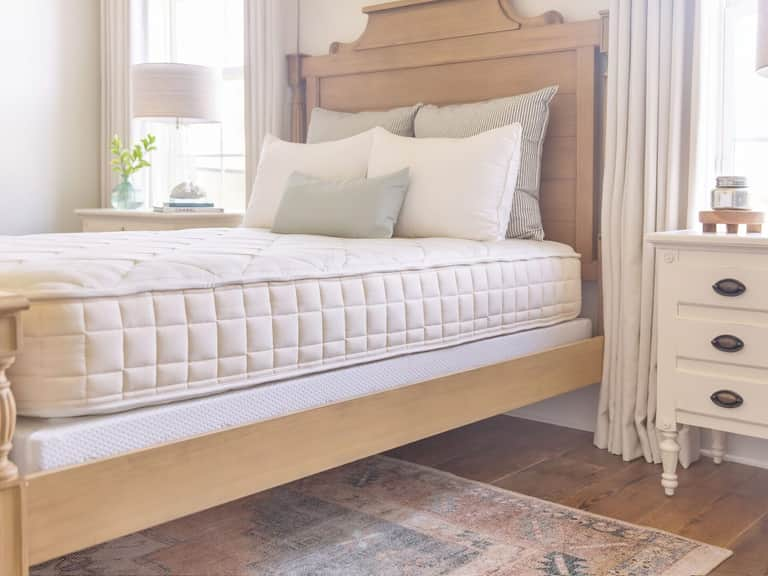
For example, the Naturepedic Chorus Organic Cotton Mattress is described as a 10-inch innerspring mattress with organic cotton, organic wool, PLA fiber, and individually nested springs. Its product information says that a layer of microcoils sits over encased coils, and that the mattress is made without glues or adhesives. It is also described as meeting federal and state flammability standards without flame-retardant chemicals. These are details about this particular model, not a universal description of every Naturepedic mattress.
Materials: a list is only the beginning
Natural and organic materials can sound reassuring, but the name of a fiber does not reveal how it will feel or perform in a particular mattress. Cotton may be used in a cover or as padding. Wool may contribute cushioning, temperature management, or a role in meeting flammability requirements. Latex may form a substantial portion of the support core or appear as a thinner comfort layer. Springs vary in arrangement and can produce a different kind of response from a foam or latex core.
For Naturepedic, the Chorus illustrates a design built around encased springs and natural-fiber components. Its nested coils provide the underlying support; the additional microcoil layer is described as offering cushioning, while the overall construction is intended to encourage airflow. Cotton and wool form part of the material story, and PLA fiber is also listed. Readers who want to understand the source and role of each component should check the detailed model specifications rather than assuming that every layer is certified organic simply because the mattress is marketed as organic.
Obasan’s materials should be assessed with the same care. For the exact mattress being considered, establish whether its support comes from latex, springs, or another system; whether the latex is natural, organic, or a blend; and what materials make up the comfort layers and cover. If wool or cotton is included, note where it appears. These are not pedantic distinctions. A sleeper who prefers the buoyant, responsive feel often associated with latex may make a different choice from someone who wants the lifted, yielding sensation of a spring system.
There is also a difference between a material’s presence and its proportion. A mattress can mention latex without making clear whether it is the principal support material or a thin layer. A cotton cover does not tell you what lies below it. When a brand’s language emphasizes a particular fiber, the accompanying layer diagram or product specification should show how that fiber functions in the actual mattress.
Construction is where feel takes shape
Construction turns a materials list into a sleep surface. In a spring mattress, the design and arrangement of coils can influence support, airflow, motion transfer, and the way the bed responds to weight. In a latex mattress, the thickness and firmness of the latex layers matter, as does whether the core is one piece or assembled from separate layers. The quilting and padding above either system affect the first impression when someone lies down.
The Naturepedic Chorus is described as having individually encased coils with a microcoil layer above them. The product listing characterizes its feel as medium firm and the mattress as offering a balance of cushioning and support. That description is a useful starting point, but firmness is not a universal measurement shared identically by every brand. Body size, sleeping position, temperature, and personal preference all affect how a mattress feels in use. A label that says “medium firm” cannot promise that two people will experience the same bed in the same way.
When reviewing an Obasan mattress, compare the construction details rather than relying on a general reputation or a single adjective. Ask whether the layers are fixed or can be rearranged, whether different firmness choices are available, and whether the design is symmetrical or has a designated top and bottom. If a model has adjustable or exchangeable layers, learn what changes are permitted and what the process involves. If its cover is not intended to be removed, that is equally important to know in advance.
Even the method of assembly can matter. A mattress described as having no adhesives may appeal to someone who wishes to avoid them, but that claim should be attached to the model’s own specifications. Other designs may use stitching, quilting, or different methods to hold layers together. There is no need to infer a construction method from a brand’s general philosophy. Ask for the answer in writing if it is a deciding factor.
Certifications: read the scope, not just the seal
Certifications can make a complicated materials story more legible, but they are not a substitute for reading it. A certification may apply to a specific fiber, finished textile, component, facility, or product. The mark itself does not necessarily mean that every material in the mattress is covered, nor does it answer questions about firmness, durability, or comfort.
For each Naturepedic or Obasan model, identify the certification named, the organization that issued it, and the precise material or product covered. Check whether the documentation refers to the finished mattress or to one component. If a brand describes a material as organic, confirm what standard supports that description and whether the claim applies to the relevant layer. A broad claim on a brand page and a certificate for a particular fabric are not necessarily the same thing.
It is also sensible to distinguish certifications from product features. A statement that a mattress is made without certain chemicals is a claim about formulation or construction; it is not automatically a third-party certification. Conversely, a certification has a defined scope and should not be stretched to imply properties it does not verify. The most dependable picture comes from combining the certificate’s own description with the mattress’s layer-by-layer specification.
Because certifications and product ranges can change, rely on current model documentation rather than an old review or a general summary. Ask the seller for the certificate or a link to the certifying body’s explanation, especially if a particular material standard is central to the decision.
Care: the cover determines the routine
Care is where a mattress becomes part of ordinary domestic life. A spill, a warm night, a pet, or the slow accumulation of dust does not respect a product page’s carefully arranged prose. Yet mattresses are not usually meant to be washed like sheets. The first rule is simple: follow the manufacturer’s care instructions for the precise model, and do not assume that a removable-looking cover is washable.
The Naturepedic Chorus listing identifies its cover as non-removable and says the mattress should be spot-cleaned. That means regular protection and prompt, measured attention to a mark are more appropriate than taking the cover off for a full wash. Before cleaning, consult the current instructions. Avoid soaking the mattress, using strong household chemicals, or applying a method meant for a different fabric. Excess moisture can remain inside a thick mattress long after the surface appears dry.
For an Obasan mattress, check the manufacturer’s guidance on whether the cover is removable, whether it can be cleaned, and what products or methods are permitted. Do not infer washability from a zipper alone: a zippered cover may still be intended to remain in place. Find out whether the mattress should be rotated, flipped, or left in a fixed orientation, and whether any care routine differs during the first months of use.
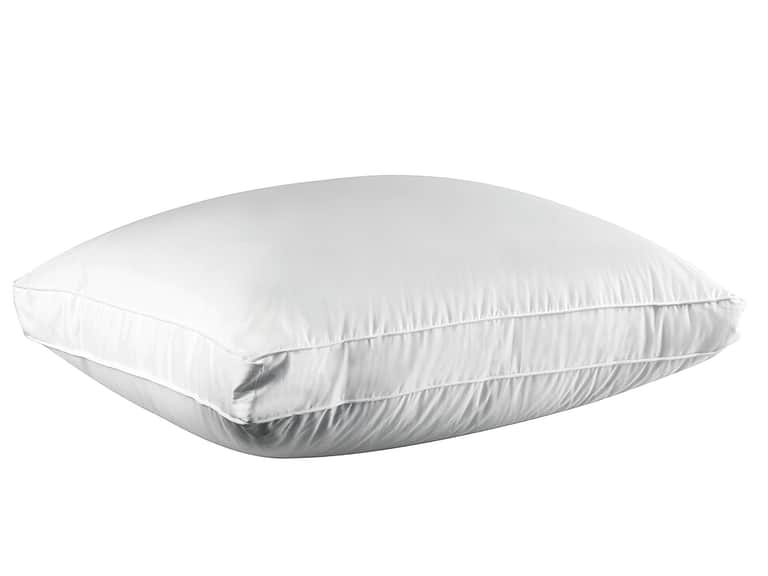
A washable mattress protector can simplify care for either brand. A protector sits between the fitted sheet and mattress, helping shield the surface from perspiration, spills, and everyday soil. Choose one that fits the mattress depth and does not interfere with the sleep feel you want. A breathable protector can also be more comfortable than a noisy or overly warm barrier, though performance depends on its materials and construction. Wash the protector according to its own label; those instructions are separate from the mattress-care instructions.
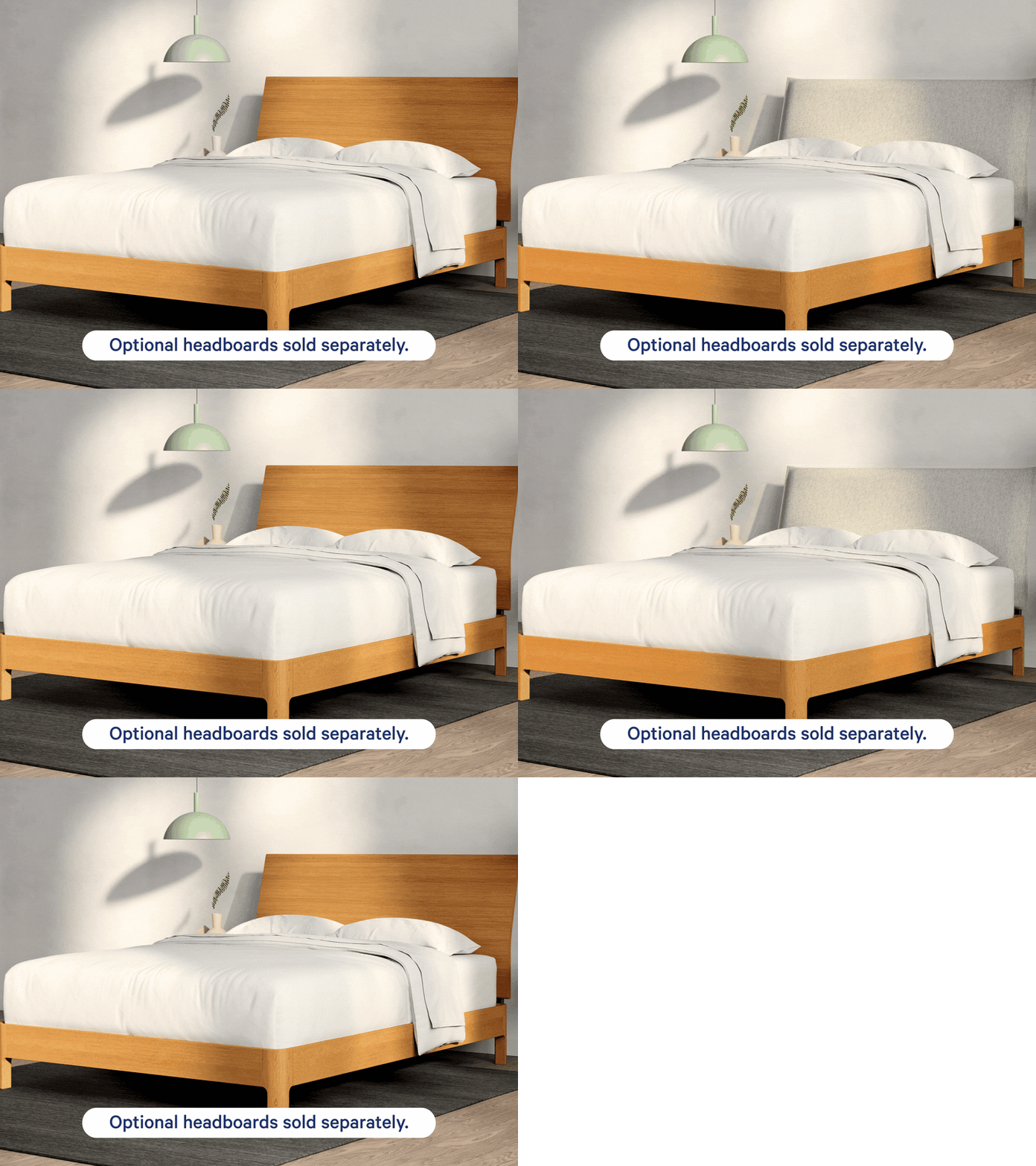
Ventilation is part of maintenance, too. Use a suitable bed base and allow the mattress to receive the support and airflow its manufacturer recommends. Keep the bed away from persistent dampness, and address leaks or condensation at their source. A naturally derived material is not immune to moisture, and no mattress should be expected to compensate for a humid room or a poorly ventilated foundation.
Comfort, support, and the test of daily use
Materials and construction can narrow the field, but they cannot establish personal comfort from a distance. The most useful comparison is made under conditions that resemble real sleep: the same pillow, the same sleeping position, and enough time for the body to register pressure and alignment. A few minutes in a showroom may reveal an immediate preference, but it cannot reproduce a full night of turning, settling, and waking.
Side sleepers often pay close attention to pressure at the shoulder and hip; back sleepers may notice whether the lower back feels supported; stomach sleepers may be especially sensitive to excessive softness. These are observations, not rules. A person’s body, mattress base, and habits all contribute to the result. If two people share a bed, both should test the mattress when possible, since a pleasing compromise for one sleeper may not feel neutral to the other.
Look closely at the trial period, return conditions, warranty, and delivery arrangements. Ask when the trial begins, whether a minimum break-in period applies, what return or pickup fees may be charged, and how the mattress must be prepared for collection. A warranty is not a guarantee against ordinary changes in comfort; it generally covers particular defects under stated terms. Read the terms before purchase, rather than at the moment a concern arises.
A practical comparison checklist
Instead of asking which brand is “better” in the abstract, compare the two exact models using the same questions. Keep the answers in one place; a short table or notes document can be more useful than a dozen open browser tabs.
- Materials: What are the core, comfort layers, and cover made from? Which materials are organic, and what documentation supports that claim?
- Construction: Are the support layers coils, latex, or another system? How are the layers assembled, and can their arrangement be changed?
- Feel: What firmness description is given, and can the mattress be tried in a comparable setting? Does the response suit the sleeper’s position and preferences?
- Care: Is the cover removable? Is it washable or spot-clean only? Are rotation or ventilation recommendations specified?
- Protection: What type of protector fits the mattress, and will its feel, depth, or waterproof layer affect comfort?
- Certifications: Which organization issued each certification, and what exact product or component does it cover?
- Purchase terms: What are the delivery, trial, return, warranty, and disposal conditions?
So, Naturepedic or Obasan?
The most defensible answer is that the model, not the logo, makes the comparison. Naturepedic’s Chorus offers a clearly described spring construction with organic cotton and wool, PLA fiber, encased coils, and a spot-clean-only cover. Those details may appeal to shoppers who want an innerspring design and a stated materials breakdown. They also establish practical limits: its cover is listed as non-removable, so day-to-day protection matters.
Obasan should be judged by the same standard: the exact model’s materials, layer arrangement, feel, certifications, and care guidance. If its construction or maintenance instructions differ from the Chorus, those distinctions may be more meaningful than a broad claim that one brand is more natural or more organic than the other. Where current product information is incomplete, ask for clarification rather than filling the gaps with assumptions.
In the end, the best choice is the mattress whose documented construction fits both the sleeper and the household’s appetite for care. A precise material list is valuable; so is a comfortable night. A certification can clarify a claim; it cannot decide whether a bed feels right. And the most organic-sounding mattress in a room is not necessarily the one that best suits the person trying to sleep in it. Read the specifications, test the feel, protect the surface, and let the particulars do the persuading.